6 September 2026
Monthly mansions in Japan for foreigners: how the hunt actually works
What a マンスリーマンション (monthly mansion) is, who it fits, why providers are fragmented, and how to get from inquire to a real quote without becoming the landlord.
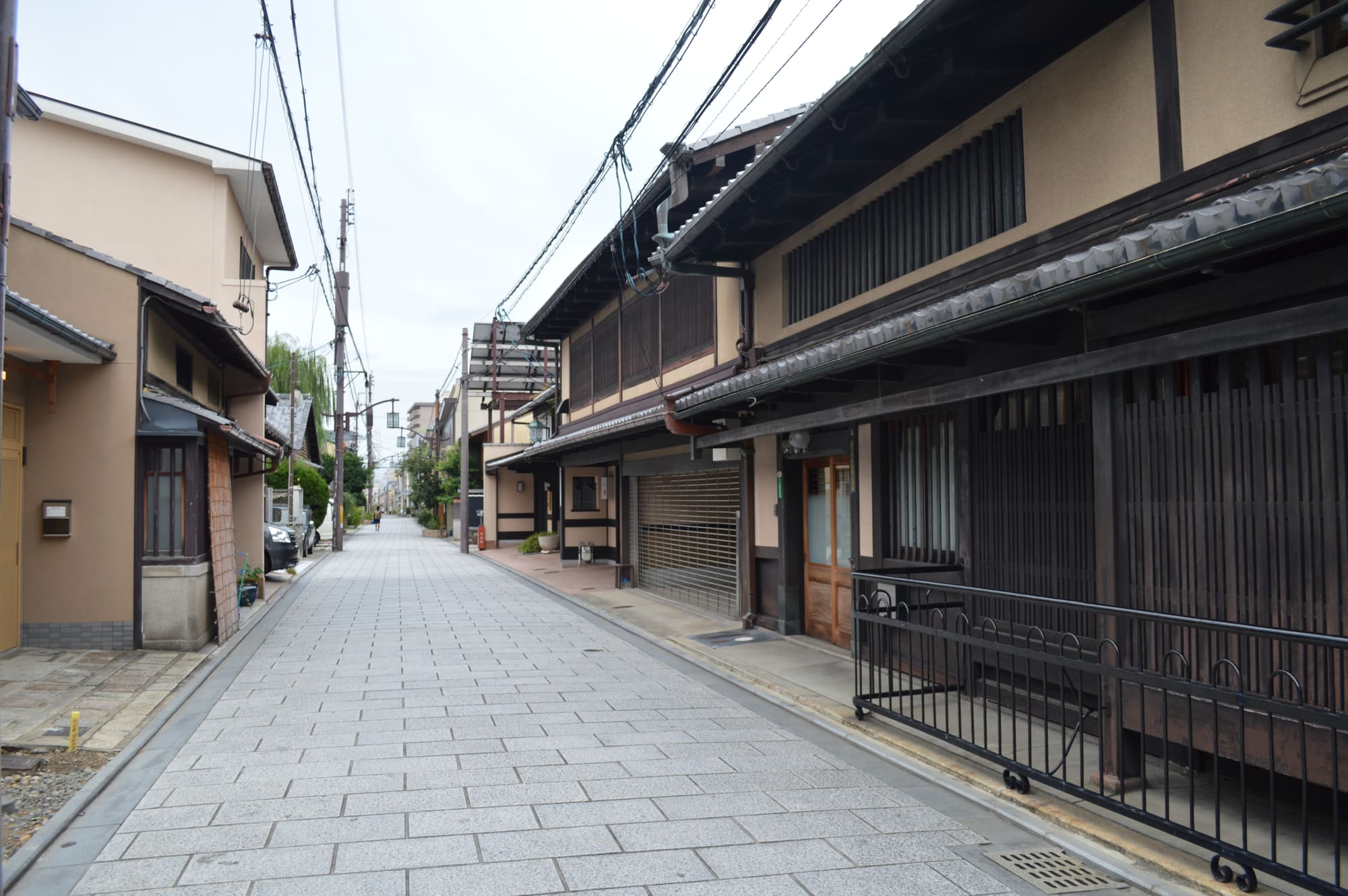
If you need a furnished place in Japan for roughly one to six months, the product you are looking for is usually a マンスリーマンション (monthly mansion) — or a close cousin sold as weekly/monthly stay, short-term furnished apartment, or mid-term rental. It is not a standard two-year Japanese lease, and it is not a hotel night.
This guide is process knowledge from running that hunt across operators. No market-size claims. No “best of” ranking. Midstay’s Kyoto board (one curated view instead of ten tabs) is in private testing; public board still coming soon. Updates: midstay.app.
What “monthly mansion” means here
In practice, foreigners hunting mid-term housing collide with several labels that overlap:
- マンスリーマンション / monthly mansion — furnished unit, billed by the month (sometimes with a weekly tier), often with utilities packaged or itemized separately.
- ウィークリーマンション / weekly mansion — same operator world, shorter minimums.
- Sharehouse / guest-house style — private room or studio with shared kitchen/bath in some products.
- Operator English brands — some chains sell the same job on an English site (search → inquire/apply → contract/pay on their rails).
- Japanese aggregators — boards where you inquire on a listing and the operator replies with a quote (you are not booking Midstay or the aggregator as landlord).
The common job: furnished, mid-term, operator-confirmed booked — without signing a classic long lease that assumes a guarantor, residency card, and years of stay.
Who it fits (and what we are not doing)
A monthly mansion is not a hotel night and not a two-year Japanese lease — treat it as its own product with its own fees and inquire loop.
Monthly products are commonly used by people on:
- Tourist status (short visit; rules and operator policies vary by building)
- Working Holiday and other mid-term statuses
- Anyone whose stay length makes a 2-year lease a bad fit
Eligibility is a label, not a vibe. Some units are tourist-OK; some want a 在留カード (residence card); some require a Japanese-speaking contract signer; some need a guarantor product. The honest move is to ask the operator in writing for your dates and status — not to assume “foreigners welcome” in marketing copy equals your case.
This article is not a visa encyclopedia. It will not tell you which status you should hold. It will tell you how housing operators behave once you already know yours.
Why the market feels fragmented
You will not find one English “Amazon of monthly Japan.” What you meet instead:
1. Single-chain English sites that can finish the hunt end-to-end on their own inventory (search → inquire → contract/pay on operator rails). Fine when their stock matches your ward, bath layout, and dates. 2. Japanese-primary operator sites (many Kyoto monthly operators have no English UI) where passport-as-ID may appear on JP pages without an EN booking path. 3. Japanese aggregators (weekly/monthly boards) that forward inquiries to listing companies — quote comes from the operator, not the board. 4. English multi-provider portals that aggregate across landlords/agencies — useful discovery, still not one inventory owner. 5. Hotel/Airbnb-style 30-day+ stays — sometimes a fallback, not the same product as a monthly mansion with operator quote rules.
The pain Midstay is built around is exactly this: fragmented multi-provider discovery + quality/value blindness + hunt ops through confirmed booking, especially where the good room only lives on a Japanese page.
The real loop: discover → inquire → quote → confirm
Treat every serious candidate as a pipeline item, not a screenshot.
1. Discover with hard filters
Before you fall in love with a photo:
- Dates (move-in and move-out) and whether the site’s “Open” calendar is trustworthy
- Ward / station — and what you will sacrifice if central stock is gone
- バス・トイレ別 (separate bath and toilet) vs 3-in-1 unit bath
- Furnished vs “furniture after contract” (empty-room photos are a real pattern)
- Size band and building year if shown
- Eligibility labels you care about (tourist / WHV / guarantor)
2. Inquire in your own name
On Japanese aggregators and JP operator sites, the pattern is usually: fill the 空室確認・見積依頼 (vacancy / quote request) form → operator replies (often in Japanese) → totals arrive with a validity window.
On English operator sites, you may get multilingual inquire (email, form, LINE, WhatsApp) and a web contract — still their rails, not a third-party checkout.
Do not invent a “company books for you” story. Midstay’s model (when you use it) is user-delegated outreach: draft → you approve → contact in your name. Payment stays with the operator. Midstay is not merchant of record.
3. Treat website prices as teases until verified
Listing “from ¥X/month” and six-month all-in totals are not the same object.
From dogfood hunts:
- Some boards show ミドル / ロング monthly bands plus 初期費用 (initial fees) and optional campaigns.
- Some listings are Quote only — no vacancy calendar until you ask.
- Operator email can override a website “Open” date (fully booked until a later month even when the site looks free).
- Utilities may be ¥/day, cleaning a flat fee, Wi-Fi rental extra.
Log mail-verified totals with a validity window. Tag whether a number came from a listing tease, a probe, or your quote.
4. Confirm on operator rails
Final contract and payment happen with the operator (transfer, their form, their payment link). Your tracker’s job is status: contender → waiting → quote received → backup → drop → operator-confirmed booked.
What “good process” looks like (checklist)
- [ ] Status and dates written the same way on every inquiry
- [ ] Separate bath/toilet called out if that is a hard gate
- [ ] Tease price vs verified quote kept in different columns
- [ ] Stale “Open” calendars not trusted after an operator contradicts them
- [ ] Japanese replies machine-translated carefully; ask again in writing if unclear
- [ ] Backup rooms kept warm — central separate-bath stock moves

Photo: Jakub Hałun / CC BY 4.0
Pitfalls foreigners hit first
These failure modes show up early across English and Japanese operators. Habits beat slogans.
Calendar Open ≠ hold
A green Open month is a lead, not a reservation. Site can say open while email says fully booked; quote-only brands may have no calendar at all. Treat operator reply as source of truth; do not stop searching until you have a confirmed booking on operator rails.
Japanese-only forms and reply language
Expect English-capable sites, JP-primary sites with no English UI, and aggregators that forward 空室確認・見積依頼. One email; identical dates/headcount/status; plan for Japanese replies; use per-room forms when they exist; keep private life-planning out of operator mail.
Guarantor / signer rules
Some FAQs require a Japanese-speaking contract signer, a guarantor company, or residence-card style docs even when marketing says “foreigners welcome.” Others finish on an English web contract with passport ID. Ask explicitly for your dates and status — policies are building- and brand-specific.
Furniture-after-contract photos
Empty-room photography with “furniture delivered after contract” is a real monthly product pattern. Confirm furniture/appliance list, delivery timing relative to move-in, bedding/cookware, and Wi-Fi (included vs rental) before treating it as like-for-like with a staged studio.
Eligibility — tourist not OK (and similar labels)
Form checkboxes like 観光 are not always a policy promise. Ask Can you accept my status for these move-in/out dates? Prefer boards that surface eligibility labels (including tourist-not-OK) so you do not burn inquiries. This is not a status encyclopedia — only how operators gate once you already know yours.
Quote validity and tease prices
Website “from ¥X/month” is a tease. Quotes arrive with a validity window; campaigns expire; date shifts invalidate totals. Normalize all-in for your night count — see weekly mansion hidden fees.
Bath layout and ward gates stacked together
Especially in Kyoto, stacking バス・トイレ別 + central ward + early move-in + mid budget often fails as a single filter set. Decide in advance which gate you will loosen first. See best ward tradeoffs.
Checklist before you pay
- [ ] Same dates/status on the winning inquiry as on the quote
- [ ] Furniture list and Wi-Fi terms in writing if “furnished” was ambiguous
- [ ] Bath type verified on plan/photos, not badge alone
- [ ] All-in total matches your night count
- [ ] Quote still inside its validity window
- [ ] Cancellation / change rules read once before transfer
- [ ] Backup room not dropped until confirmation lands
Useful shortlist labels: contender → waiting → quote → backup → drop → operator-confirmed booked. Keep at least one backup warm while a favorite quote is pending.
Soft next step
Midstay is in private testing. Public signups aren’t open yet, and the public board is still coming soon. Midstay is not the landlord — you pay the operator directly for rent and keys. When the board opens, the path stays: Japanese letter in your name → quote → pay operator. Updates: midstay.app.
Related: Japan monthly apartments in Kyoto · How to inquire on a monthly apartment in Japan · Kyoto monthly furnished apartments.