7 September 2026
Key money on Kyoto apartments for foreigners (and when it is zero)
What 礼金 (key money) means for foreigners in Kyoto: how monthly-mansion “0 key money” marketing differs from long leases, and how not to confuse it with cleaning or admin fees.
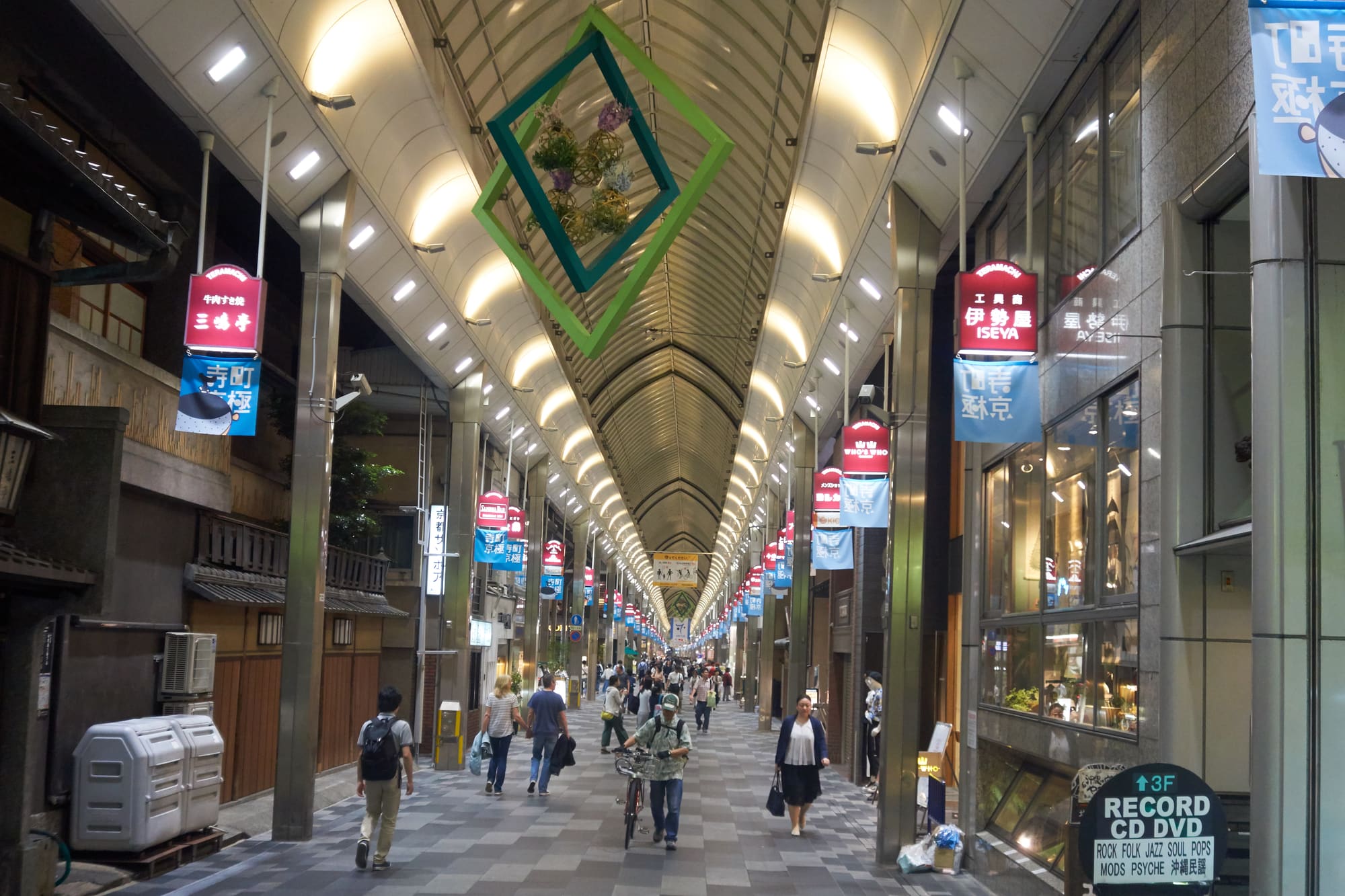
礼金 (reikin / key money) is one of the most confusing Japanese housing words for foreigners. On a classic long lease it is often a non-refundable payment to the landlord — historically framed as a gift — sitting beside 敷金 (security deposit). On Kyoto マンスリーマンション (monthly mansion) and weekly products, marketing frequently screams 0礼金 / 0 key money. That slogan is useful only if you know what it does not erase.
This guide separates 礼金 from lookalike fees, and from tourist mid-stay vs long-lease products. Ranges below are often / typically / ask in writing — not guarantees. No invented market averages.
Midstay’s Kyoto board (multi-provider discovery, letter in your name) is in private testing — public signups aren’t open yet, and the public board is still coming soon. Until then, run the hunt across operators yourself. Updates: midstay.app.
What 礼金 is (and is not)
| Term | Typical meaning | Refundable? |
|---|---|---|
| 礼金 / key money | Non-refundable payment associated with securing the lease (landlord-side custom on many long leases) | Usually no |
| 敷金 / security deposit | Hold against damage / unpaid bills | Usually yes, minus deductions — see [deposit guide](/blog/kyoto-monthly-apartment-deposit) |
| 仲介手数料 / agency fee | Broker fee (often ~1 month on long leases; varies) | No |
| 清掃費 / cleaning | Move-out or package clean | Usually no |
| 事務手数料 / admin | Operator paperwork fee on monthly products | Usually no |
| 初期費用 / initial fees | Bundle label covering several of the above | Mostly no — unpack the PDF |
礼金 is not automatically included in every Kyoto rental. Many monthly/weekly operators never used the classic 礼金 model. Their English pages still advertise “0 key money” because that phrase is what foreigners search — even when the product never had 礼金 to begin with.
Monthly-mansion “0 key money” marketing
“0 key money” marketing is not the same as zero cleaning or admin fees — separate the line items.
Across English and Japanese operators, 0礼金 on a monthly card usually means:
- You will not see a classic key-money line equal to one month of rent
- You should still expect 初期費用 (initial fees) of some kind
- Cleaning, Wi-Fi rental, and utilities may still be itemized
- Short-stay premiums can raise the effective nightly cost
It does not mean the tease monthly rent is your all-in total. A unit can honestly be 0礼金 and still cost more all-in than another unit that carries a small 礼金 on a different product type — because cleaning, utilities ¥/day, and tier bands dominate mid-term math.
Related reading: weekly mansion hidden fees for the line items that blow a tease price, and monthly mansion pitfalls for calendar and eligibility traps.
Do not confuse 礼金 with cleaning or admin fees
Common mix-ups:
- “0 key money” but large cleaning fee — still normal. Different ledger line.
- “0 key money / 0 deposit” English badge — check the Japanese fee table; admin and linen fees often remain.
- Agency fee on a long lease — not 礼金, even if it feels like “money to start living.”
- Campaign discount — temporary; does not redefine 礼金 policy after the campaign ends.
- Insurance-like add-ons — sometimes bundled into initial fees; ask whether optional or required.
When you inquire, ask for a line-item quote: rent band, initial fees, cleaning, utilities, optional rentals, and any refundable hold. Then label each line refundable or not yourself. Do not accept a single “total due” without the breakdown if you are comparing operators.
Tourist mid-stay vs long lease
Foreigners in Kyoto collide with two product worlds:
Long lease (often 2 years)
- 敷金 + 礼金 patterns are more common (not universal — ask)
- Guarantor company, residence card, Japanese contract process more often expected
- Early exit can be expensive; this product assumes longer stay
- Agency fee may sit beside 礼金
Monthly / weekly furnished (マンスリー / ウィークリー)
- Designed for mid-term stays (roughly weeks to several months)
- 0礼金 / 0敷金 marketing is common
- Eligibility still varies: some tourist-OK, some not; some need a Japanese-speaking signer
- Furniture and utilities packaging differ by operator
- Quote validity windows matter; calendars are not holds
Do not pick a product because the 礼金 line is zero if the rest of the product (bath layout, start date, status rules) fails your gates. Zero key money on a unit you cannot book is not a win. For ward/bath tradeoffs, see best ward for Kyoto monthly apartments.
A practical compare sheet for 礼金 noise
| Question | Why ask |
|---|---|
| Is there 礼金 for *this* contract type? | Marketing may copy a national slogan |
| List every non-refundable initial fee | Cleaning/admin hide behind “0礼金” |
| Any refundable hold? | Do not confuse with 礼金 |
| Utilities included or ¥/day? | Dominates short stays |
| Campaign name + end date? | Totals shift after expiry |
| Status accepted for these dates? | Eligibility before fee pride |
What to ask operators in writing
Use the same dates and status on every form:
- Is there 礼金 for my contract type and dates? Amount?
- List all non-refundable initial fees (cleaning, admin, linen, lock, insurance if any)
- Is there any refundable deposit?
- Are utilities included or ¥/day?
- Can you accept my status for these move-in/out dates?
- Quote validity window?
Midstay is not the landlord. Operators confirm bookings. Midstay’s free board carries eligibility labels so you skip units that are tourist-not-OK before you burn an inquire. Approve-to-send outreach (when you use it) goes out in your name; payment stays on operator rails.
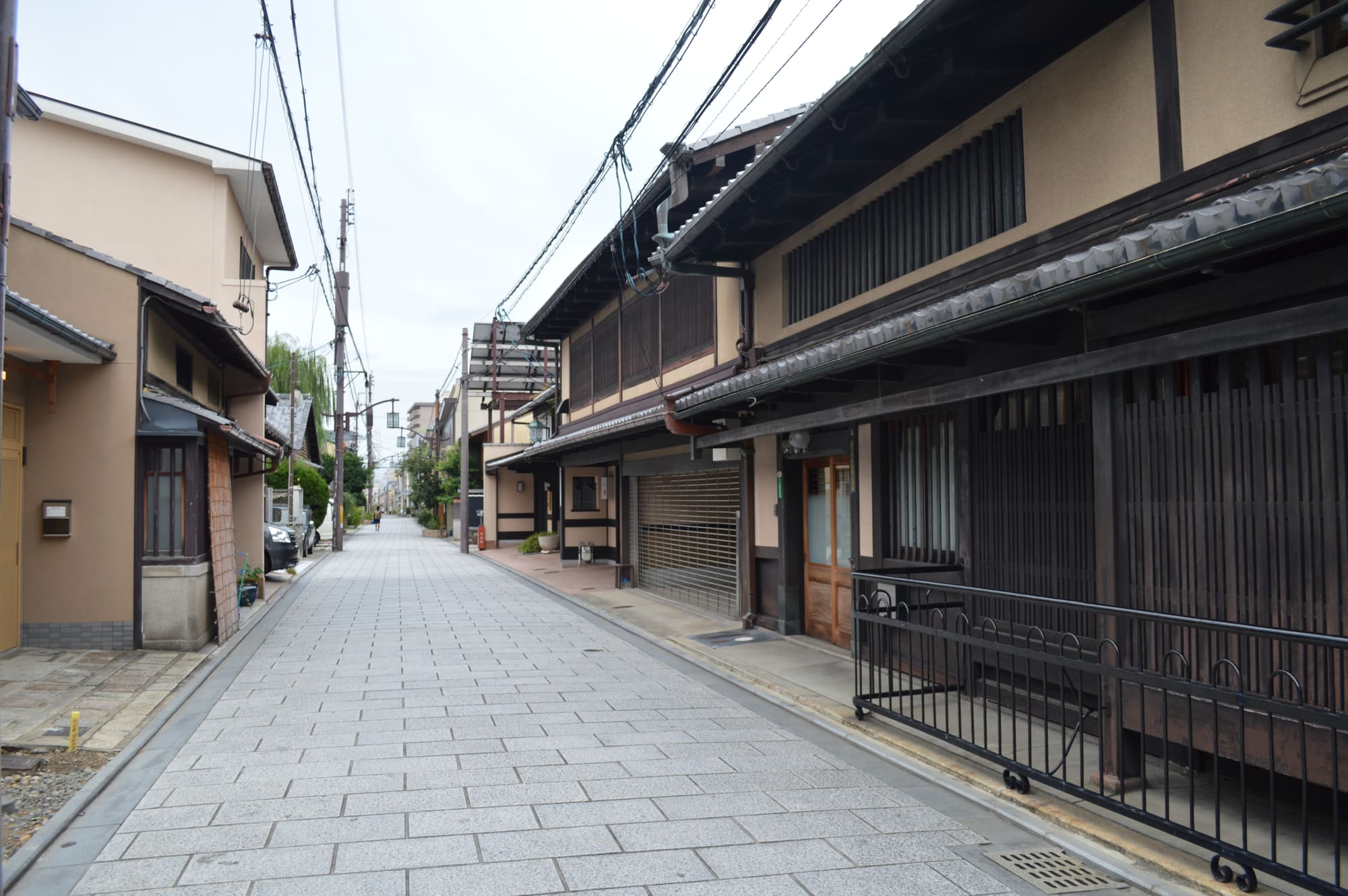
Photo: At by At / CC BY-SA 3.0
Soft next step
Midstay is in private testing. Public signups aren’t open yet, and the public board is still coming soon. Midstay is not the landlord — you pay the operator directly for rent and keys. When the board opens, the path stays: Japanese letter in your name → quote → pay operator. Updates: midstay.app.