7 September 2026
Kyoto monthly apartments near the station: what “walk minutes” really mean
How to read ‘minutes to station’ on Kyoto monthly listings: Kyoto Station vs central stations, map-verify walk claims, and noise/tourism tradeoffs before you inquire.

“駅徒歩〇分 (X minutes on foot to the station)” is one of the most trusted lines on a Kyoto monthly card — and one of the easiest to misread. Two listings can both say “5 minutes to station” and describe completely different days: one dumps you into 京都駅 Kyoto Station tourism and luggage traffic; the other lands you on a quieter subway stop with a grocery on the way home.
This page is a process guide for foreigners comparing マンスリー / ウィークリー apartments sold as “near the station.” Midstay is not the landlord; when the board opens, use it for discovery, then contract with the operator.
Kyoto Station is not “a central station”
In Kyoto search UIs, “near the station” often means one of these different jobs:
| Station cluster | What the month often feels like | Typical housing angle |
|---|---|---|
| 京都駅 Kyoto Station (JR / subway / buses) | Arrival day easy; tourism density; bus hub noise | Shimogyō stock; luggage-friendly; not always “quiet living” |
| 烏丸御池 Karasuma-Oike, 四条 Karasuma / Shijō, 三条 Sanjō | City-core errands, shopping, offices | Nakagyō convenience premium; tourism shoulder in peaks |
| 河原町 Kawaramachi, 祇園四条 Gion-Shijō | Night foot traffic, visitors | Walk-minutes look great; sleep and noise need photos + map |
| Neighborhood subway / private-rail stops | Residential rhythm | Longer city-crossing trips; often calmer evenings |
If your filter is only “close to a station,” you have not chosen a lifestyle yet. Name the line and stop, then decide.
How walk-minute claims are written (and how to verify)
Treat listing “walk minutes” as a claim to verify on a map, not a booking fact.
Japanese listings usually measure 徒歩分 as map distance at a walking pace from building entrance to station gate — not door-to-platform with luggage, rain, or your pace.
Verify in three steps
- Pin the address or nearest landmark from the listing (not only the station name in the title)
- Walk the route on a map at pedestrian mode; note hills, underpasses, and which station exit you actually use
- Separate “to station” from “to your daily places” — supermarket, gym, coworking, language school
Red flags in copy
- Station name without which exit or which operator (JR vs subway vs Hankyu / Keihan)
- “Near Kyoto Station” when the pin is a long bus ride away
- Beautiful night photos that hide arterial roads beside the building
- Aggregator badges that round minutes down
Treat the card number as a marketing claim. Your map pin is the source of truth for the commute you will repeat thirty times.
Noise and tourism tradeoffs near “good” stations
Proximity cuts both ways.
Often better near busy stations
- Luggage days and airport / Shinkansen connections
- Late grocery and pharmacy options
- Rainy-day indoor transfers
Often worse near busy stations
- Early bus idling, tour groups, suitcase wheels in corridors
- Weekend foot traffic under the window
- Premium pricing for the same floor plan further out
For a monthly stay, ask the operator (in writing) about:
- Road / rail / bus noise facing the unit
- Which floor and which side of the building
- Whether the building sits on a sightseeing approach
Photos of a quiet interior do not cancel a noisy street.
Station-adjacent filters worth locking before inquire
Before 空室確認・見積依頼 (vacancy / quote request):
- [ ] Exact stop name (not “Kyoto area”)
- [ ] Map-verified walk for your pace and luggage
- [ ] Bath layout (バス・トイレ別 vs 3-in-1) still meets your bar
- [ ] Eligibility for your status and dates
- [ ] All-in quote for your nights (tease monthly ≠ verified total)
A “perfect” 4-minute walk with a unit bath you reject is still a miss.
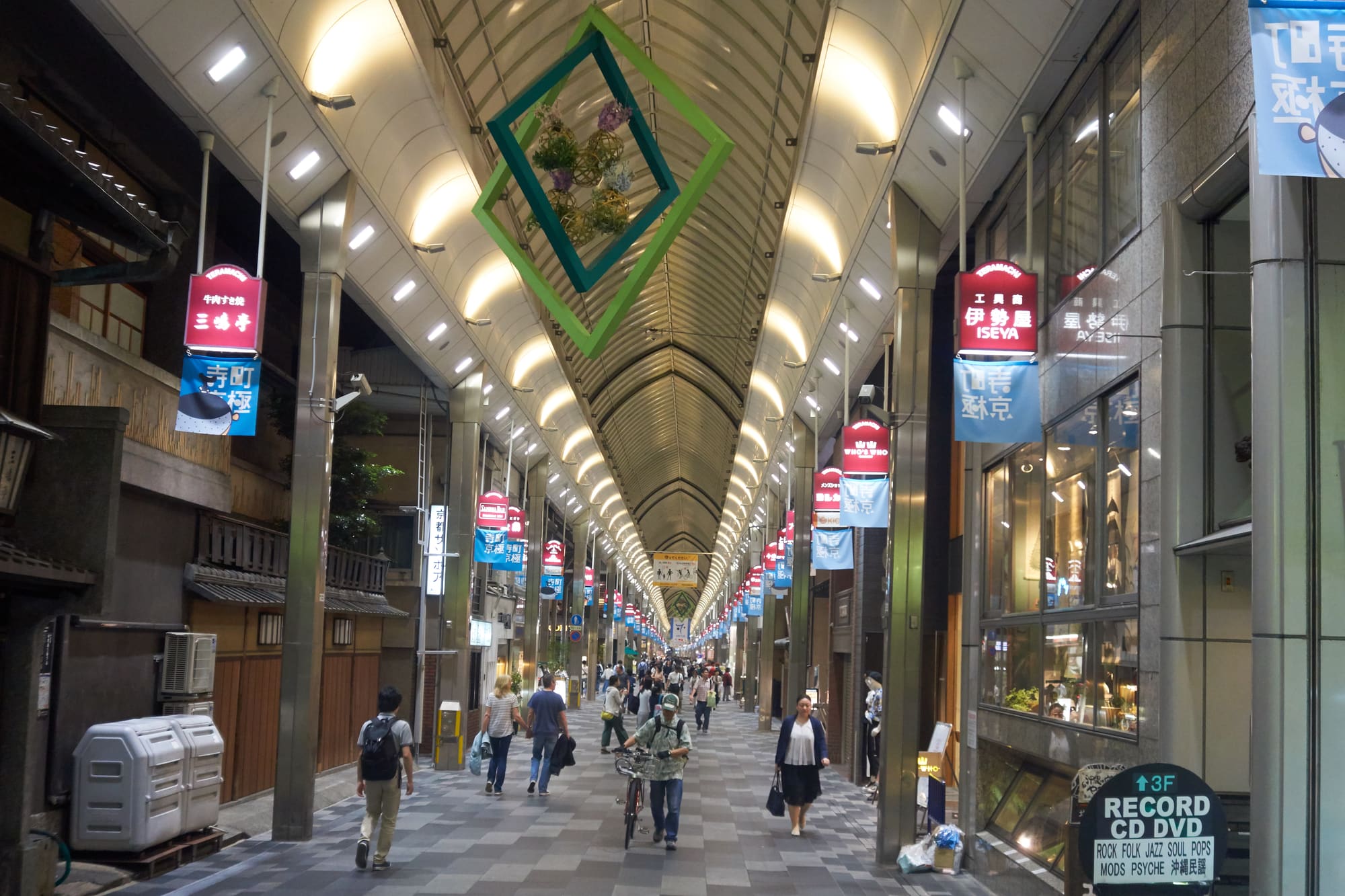
Photo: Celuici / CC BY-SA 3.0
Soft next step
Shortlist by named station + map walk, then inquire with identical dates. Compare verified operator quotes, not walk-minute badges alone.
Midstay is in private testing. Public signups aren’t open yet, and the public board is still coming soon. Midstay is not the landlord — you pay the operator directly for rent and keys. When the board opens, the path stays: Japanese letter in your name → quote → pay operator. Updates: midstay.app.